Moving a home is challenging enough, but relocating a university department, research laboratory, or academic facility is an entirely different level of complexity.
Universities and labs often contain highly sensitive equipment, years of research, expensive technology, and carefully coordinated operations that can’t afford major downtime. Whether it’s relocating a physics lab, medical research center, or campus office, these moves require strategic planning, specialized equipment, and experienced movers who understand the stakes.
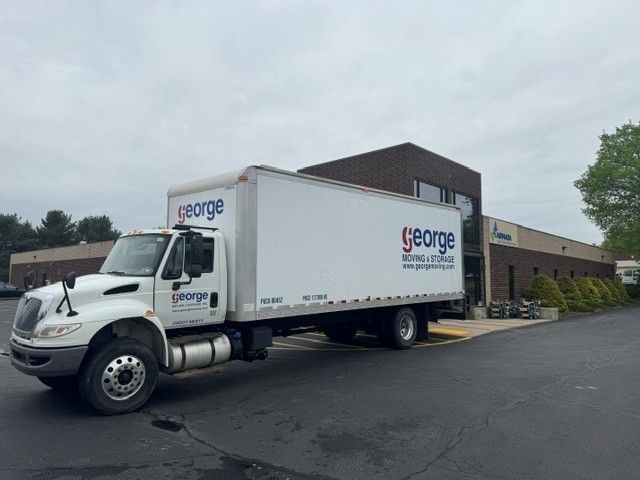
At George Moving & Storage, we’ve helped institutions across Pennsylvania, Ohio, and West Virginia coordinate complex relocations safely and efficiently. Here’s a behind-the-scenes look at how large university and research lab moves are handled.
Why Research & University Moves Are Different
Unlike traditional office relocations, academic and laboratory environments involve:
Sensitive scientific instruments
Specialized technology and electronics
Fragile glassware and testing equipment
Large freezers and refrigeration units
Valuable research materials and records
Strict timelines and operational requirements
A single mistake can lead to damaged equipment, disrupted research, or delayed operations. That’s why experience matters.
Step 1: Detailed Pre-Move Planning
Every successful lab or university move begins with extensive coordination.
Before moving day, teams typically:
Conduct a full inventory of equipment and assets
Identify sensitive or high-value items
Create transportation and placement plans
Coordinate timelines with faculty, researchers, and administrators
Establish labeling and tracking systems
At George Moving & Storage, we work closely with facilities teams to develop customized relocation plans designed to minimize disruption and protect valuable assets.
Step 2: Specialized Packing & Protection
Research equipment can be extremely delicate and expensive. Proper packing is critical.
Professional lab movers use:
Custom crating solutions
Anti-static materials for electronics
Foam cushioning and shock protection
Secure wrapping and stabilization methods
Every piece of equipment is carefully prepared for transportation to reduce vibration, movement, and environmental exposure during transit.
Step 3: Using the Right Equipment
University and laboratory moves often involve oversized or unusually heavy items that require specialized handling.
This can include:
Lift-gate trucks
Machinery dollies
Pallet jacks
Ramps and hoisting equipment
Climate-controlled vehicles
Our experienced crews know how to safely maneuver equipment through loading docks, narrow hallways, elevators, and active campuses.
Step 4: Minimizing Downtime
For universities and research facilities, time matters. Delays can interrupt:
Research projects
Student schedules
Grant-funded work
Medical or scientific testing
That’s why relocation schedules are carefully coordinated—often during semester breaks, evenings, or weekends—to reduce operational impact.
Efficient planning allows departments to resume work quickly after the move.
Step 5: Coordinating Multiple Teams & Locations
Large-scale academic moves often involve multiple buildings, departments, or campuses. Communication becomes just as important as transportation.
Professional movers coordinate with:
Facilities management
Department heads
IT personnel
Equipment vendors
Construction teams
This ensures everything arrives at the right location, in the right order, and on schedule.
Experience Matters in Academic Relocations
At George Moving & Storage, we understand the precision and professionalism required for university and laboratory relocations. Our team has experience handling:
Physics labs
Medical equipment
Research facilities
Campus office relocations
Specialized academic equipment
From pre-move planning to final placement, we help institutions relocate safely, securely, and efficiently.
Subscribe to George Moving and Storage's Blog














Comments